BIM2LOG – Model-based BIM construction logistics


What is BIM2LOG? BIM modeling meets construction logistics
By combining BIM planning, real-time data (IoT) and automated logistics management, BIM2LOG enables perfectly coordinated construction — the right quantity, at the right time, in the right place: just-in-time, transparently and economically.
How is BIM2LOG structured?


BIM2LOG — from data to clock & flow
The core principles of BIM construction logistics
Model-based logistics planning
Time as a planning dimension
Dynamic control thanks to just-in-time
The material you need is always on hand thanks to the pull principle
Sensors, IoT and AI: How to keep construction on track
Solving typical construction site problems
BIM LEAN LOG – an integrated system landscape for modern construction processes
1. BIM (Quantity)

- Creation of digital 3D models
- Comprehensive information: geometry, materials, costs, sustainability, operational data, etc.
2. Lean Construction (Time)
- Precise planning and optimization of workflows
- Structured schedules and cycle plans for resource allocation and bottleneck prevention
3. Construction Logistics (Space)
- On-time material supply, even under difficult conditions
- Using modern software tools and agile methods on the construction site
What are the benefits of BIM construction logistics with BIM2LOG?
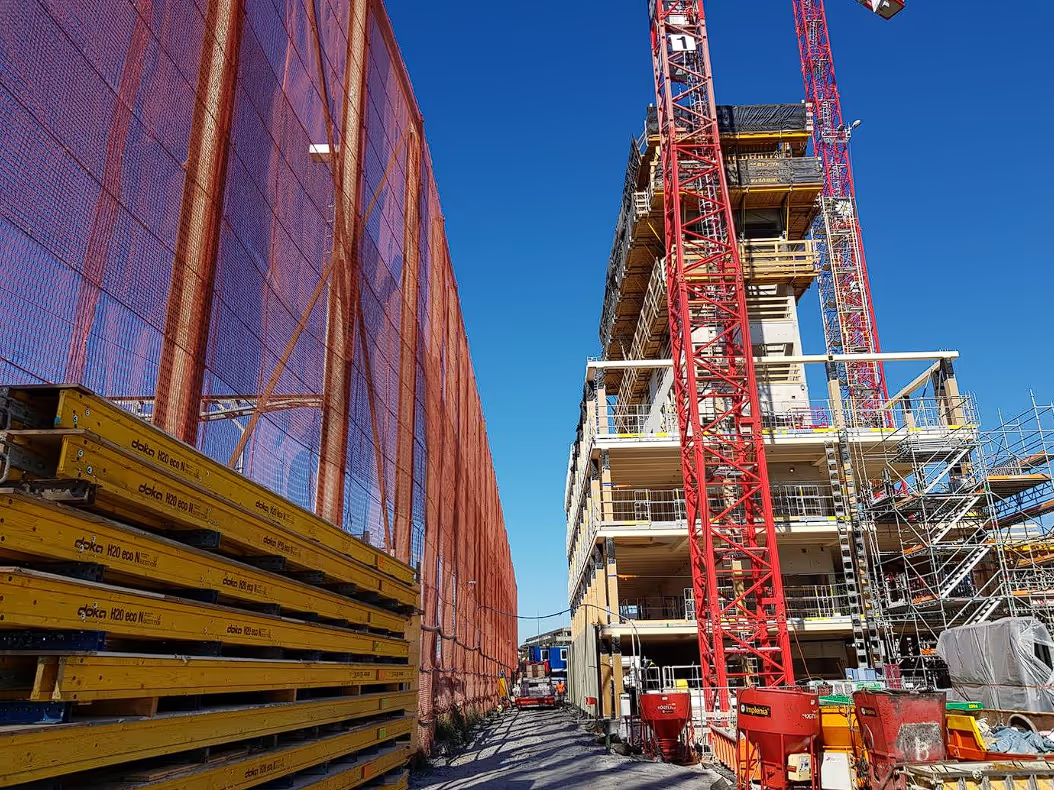
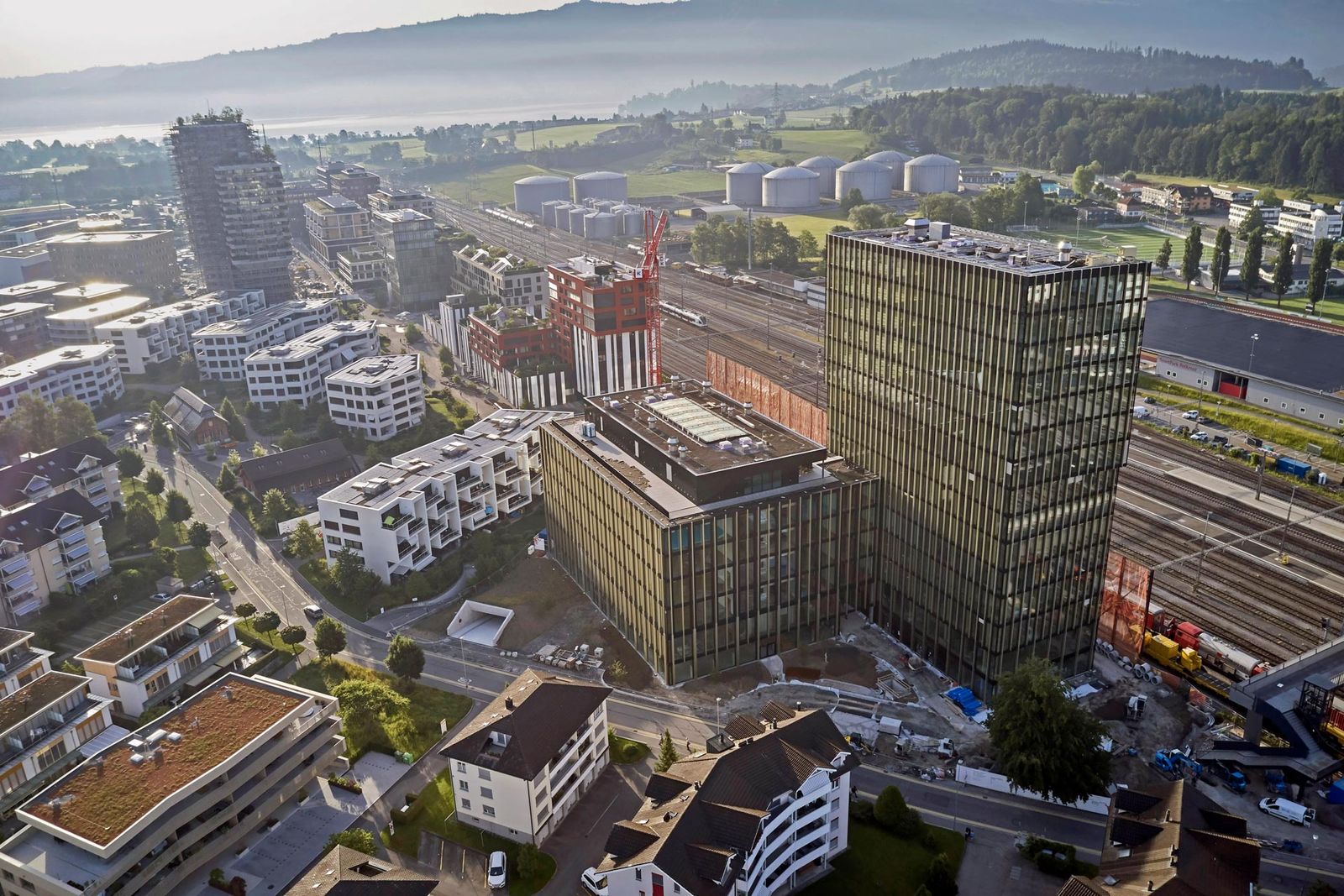
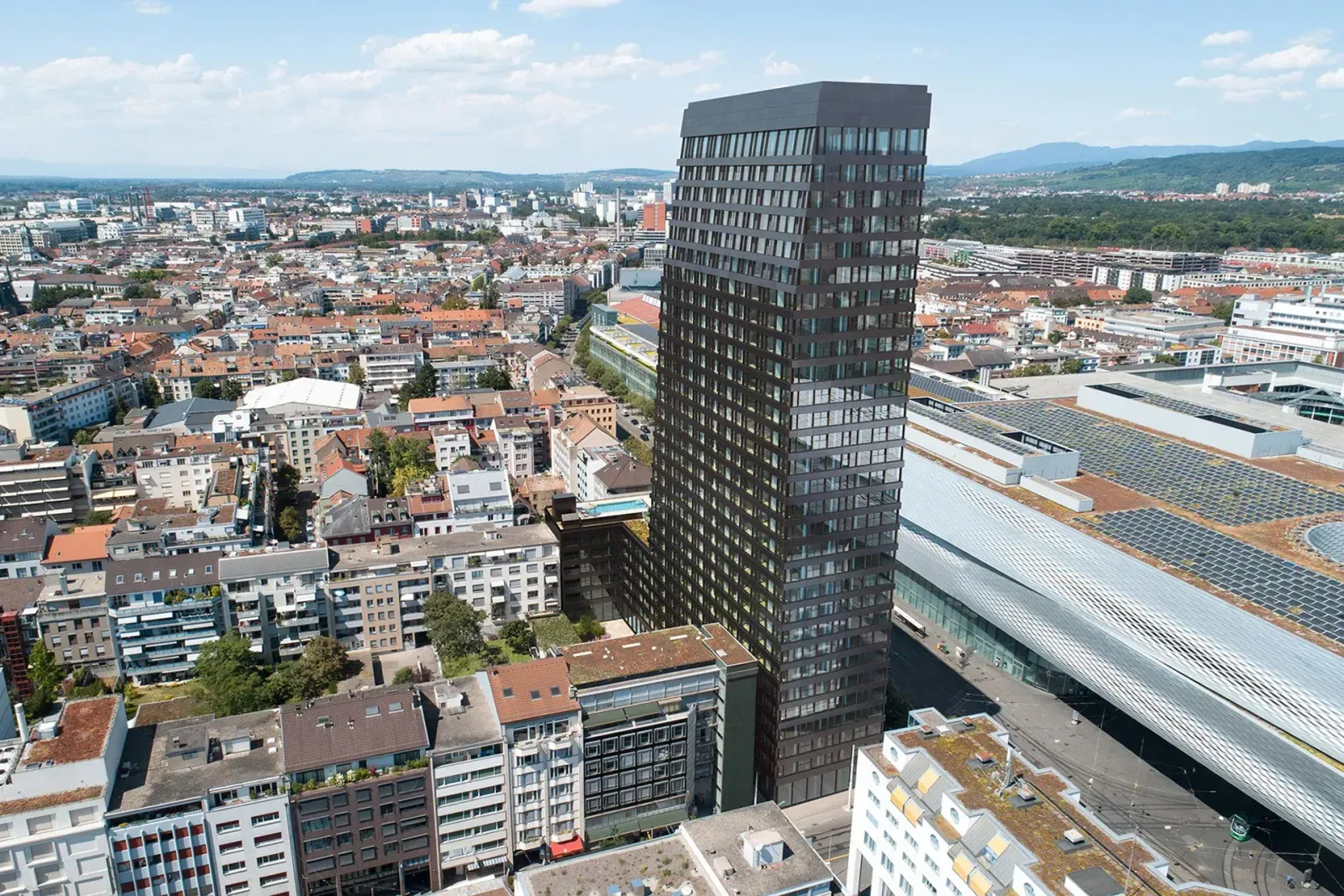
Was modellbasierte Baulogistik konkret bewirkt, zeigt der Bau des BF1 Campus Suurstoffi für die Hochschule Luzern. Durch die Kombination von BIM, Lean-Management und Logistik-Software liessen sich rund 60'000 Paletten Material und bis zu 20 LKW-Anlieferungen pro Tag präzise takten – bei 260 Projektbeteiligten aus 40 Unternehmen.
Das Ergebnis fasst Tobias Achermann, ehemaliger CEO der Zug Estates Holding AG, zusammen: «Durch das digitale Bauen in Kombination mit Lean-Management und Logistik-App konnte die Bauzeit des Campus um ein Jahr verkürzt werden.»
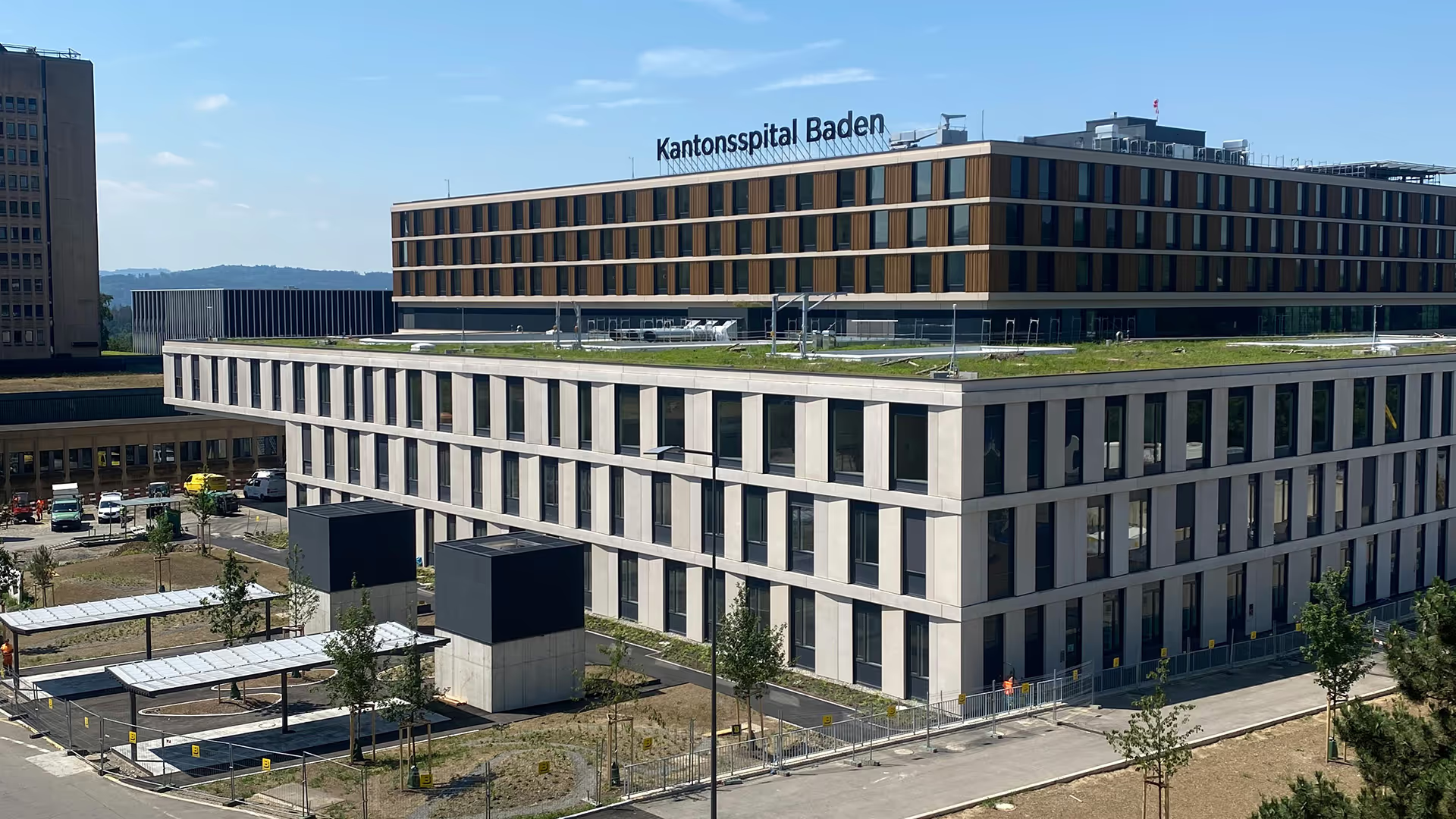
Auch beim Neubau «Agnes» des Kantonsspitals Baden bewährte sich die Methode unter schwierigsten Bedingungen: Baustellen-Anlieferung und Verkehr zur Notaufnahme teilten sich eine einzige Zufahrt. Die Verknüpfung des BIM-Modells mit dem Terminplan koordinierte rund 34 LKW-Anlieferungen pro Tag, ohne den Spitalbetrieb zu stören, und steigerte die Wirtschaftlichkeit der Montage bei hohem Vorfertigungsgrad.

Campus-Suurstoffi
Was bringt BIM-Baulogistik mit BIM2LOG?
Der Einsatz von BIM2LOG bringt messbare Vorteile für Planung und Ausführung:
- Einheitliche, standardisierte Datenstruktur über alle Prozesse hinweg
- Integration von Zeit, Menge, Kosten, Effizienz und Nachhaltigkeit
- Verknüpfung jedes Bauteils mit dem konkreten Arbeitsschritt im Ablauf
- Digitale Planung und Simulation von Flächen, Kapazitäten und Materialflüssen
- Frühzeitige Erkennung von Engpässen und gezielte Gegensteuerung
- Optimale Grundlage für Lean Construction und industrialisiertes Bauen
- Dynamische Anpassung an den Baufortschritt durch Echtzeitdaten
The BIM2LOG process in four steps

1. Data integration
Existing BIM models are supplemented with logistics-relevant information or prepared across models. The result is a holistic, process-oriented model.

2. Polydimensional simulation
The entire construction process is represented virtually — with regard to time, costs, quantities, sustainability and production logistics. Bottlenecks and inefficiencies are visible even before construction starts.

3. Real time control
Sensors, IoT components and intelligent dashboards continuously record construction progress: Target and actual conditions are presented transparently.

4. Dynamic adjustment
Deliveries, storage space and resources are constantly being optimized on the basis of real time. Changes in the construction process are automatically fed back into the logistics processes for smooth implementation.


What is the added value of BIM2LOG?
- 20 percent faster construction due to optimized processes
- Up to 25 percent lower process costs due to better planning
- 10 percent less material waste thanks to targeted management
- Higher planning reliability and fewer errors through digital control
- Better use of resources and machines
- Reducing emissions through controlled arrivals and departures


Webinar series: BIM2LOG — Rethinking construction site logistics
Plan more efficiently. Manage more smoothly. Build better. Experience how digital logistics processes solve typical construction site problems — directly from real major projects.
Häufige Fragen zu Building Information Modelling und BIM2LOG
Was ist BIM (Building Information Modelling)?
Building Information Modelling (BIM) ist eine digitale Arbeitsmethode, bei der ein Bauwerk als dreidimensionales, datenreiches Modell geplant, gebaut und bewirtschaftet wird. Alle Projektbeteiligten arbeiten mit denselben Modelldaten, von der Planung bis zur Ausführung. BIM2LOG macht diese Modelldaten für die Baulogistik nutzbar und steuert damit Materialflüsse und Bauabläufe präzise.
Was ist der Unterschied zwischen BIM und BIM2LOG?
BIM beschreibt die modellbasierte Arbeitsmethode im Bauwesen allgemein. BIM2LOG ist die von Amberg Loglay entwickelte Methode, die BIM-Modelle gezielt mit dem Terminplan verknüpft, um die Baulogistik zu steuern: Materialmengen, Anlieferungen und Flächen werden direkt aus dem Modell abgeleitet und just-in-time koordiniert. BIM2LOG überführt BIM also von der Planung in die operative Logistiksteuerung.
Welche Software steckt hinter BIM2LOG?
BIM2LOG basiert auf den cloudbasierten Software-Lösungen von Amberg Loglay. Über die Plattform CLM (Construction Logistics Management) werden Anlieferungen zentral angemeldet und koordiniert, während LIM (Logistics Insights Management) als datenbasierter Single Point of Truth dient. So verbindet BIM2LOG das BIM-Modell mit der laufenden Steuerung auf der Baustelle.
Welche Baustellenprobleme löst BIM2LOG?
BIM2LOG bringt Struktur in typische Baustellenengpässe: von stockenden Materialflüssen über Platzmangel bis zu ungenauer Anlieferungsplanung. Fünf konkrete Praxisbeispiele zeigt unser Beitrag «5 typische Baustellenprobleme – und wie BIM2LOG sie löst».
Was bringt BIM2LOG konkret an Effizienz?
BIM2LOG verknüpft das BIM-Modell mit dem Terminplan und steuert Materialflüsse just-in-time. Beim BF1 Campus Suurstoffi verkürzte sich die Bauzeit dadurch um rund ein Jahr. Beim Kantonsspital Baden ermöglichte die Methode eine störungsfreie Anlieferung trotz gemeinsamer Zufahrt mit der Notaufnahme – bei gleichzeitig höherer Wirtschaftlichkeit der Montage.
Für welche Projekte eignet sich BIM2LOG?
BIM2LOG eignet sich besonders für mittlere und grosse Bau- und Umbauprojekte mit hoher logistischer Komplexität, etwa Spitäler, Hochschul-Campus oder innerstädtische Baustellen mit beengten Platzverhältnissen. Referenzprojekte reichen vom CHF-185-Mio.-Campus Suurstoffi bis zum CHF-545-Mio.-Spitalneubau «Agnes». Zur Projektübersicht
Was bedeuten 3D, 4D, 5D und weitere Dimensionen im BIM?
Die BIM-Dimensionen beschreiben, welche Informationen ein Modell enthält. 3D steht für die Geometrie, 4D ergänzt die Zeit (Terminplanung), 5D die Kosten, 6D die Nachhaltigkeit bzw. den Betrieb und 7D das Facility Management. BIM2LOG nutzt diese Dimensionen, um Bauabläufe und Logistik modellbasiert zu steuern.
Wie greifen BIM, Lean und Logistik ineinander?
BIM, Lean und Logistik erfüllen im BIM2LOG-Ansatz je eine eigene Rolle: Building Information Modelling (BIM) liefert das datenreiche Modell und sagt, was in welcher Menge gebaut wird. Lean Construction bestimmt den Takt – wann und in welcher Reihenfolge gebaut wird, ohne Wartezeiten und Überbestände. Die Logistik sorgt dafür, dass Material und Ressourcen zur richtigen Zeit am richtigen Ort sind. Erst im Zusammenspiel der drei entsteht eine vorausschauend planbare Baustelle. Wie diese Symbiose in der Praxis funktioniert, zeigt unser Beitrag zur digitalen Welt der BIM-LEAN-LOGISTIK.